
"The fur industry has been on its knees since the 1980s and will never recover because every day, more and more people learn that every coat, trim or trinket made from real fur is a product of the intense suffering of animals"
Why are you against the production and use of fur?
The fur industry is violent, cruel and unnecessary. On fur farms, inquisitive and normally free-roaming animals - including foxes, minks and chinchillas - are confined to cramped, filthy wire cages. They are denied the opportunity to engage in natural behaviour integral to their well-being, such as climbing, burrowing and swimming, and many of them go insane as a result. In the wild, animals are caught in bone-crushing steel-jaw traps and can suffer for days, slowly dying from hunger, thirst, disease, blood loss and predation. Some animals, especially mothers desperate to return to their young, chew through their own limbs to escape. Trappers who find still-conscious victims in their traps kill the animals by beating, bludgeoning or drowning them.
Do you prefer a European production of fur to a production outside Europe?
Animals used for their fur suffer the same agonising and terrifying fate regardless of where they are in the world.
Do you believe animal welfare is poor on fur farm?
It is a fact that animal welfare on fur farms is abysmally low and totally unacceptable by any standard - as undercover investigations consistently reveal.
Do you believe there is a direct link between the selling price of an animal's skin and the welfare of the animal?
Regardless of the price tag on an item made from fur, it is always the animals who pay the ultimate price.
If fur was banned in Europe, what would you say to the 60.000 people who are full-time employed in the sector?
The invention of the automobile, the abolition of human slavery and the end of World War II also necessitated restructuring and job retraining. Making changes to customs, traditions and jobs is a part of all vital social progress.
Are there, in your opinion, any arguments at all in favour of fur production?
In the 21st century, there is no excuse for trapping, gassing, genitally electrocuting and bludgeoning animals for their fur. Synthetics are warmer and lighter for outdoor activities, including extreme sports. If people want the look of fur, they can now turn to luxurious faux furs, which are more environmentally friendly and aren't the product of cruelty.
Is fur more or less ethical than the consumption of other animals?
The foxes, minks and rabbits who suffer on fur farms or are trapped in the wild are not killed for survival, but for vanity. Ripping animals' skins from their backs in the 21st century is indefensible.
Some European countries have decided to ban fur farming. How do you see the future of European fur farming? What is your opinion on this?
There is no future for fur farming in Europe because compassionate consumers and forward-thinking politicians are behind legislation to end this shameful trade that has no place in today's society.
The European fur production has grown by 19% since 2005 - what is your comment on that?
The fur industry has been on its knees since the 1980s and will never recover because every day, more and more people learn that every coat, trim or trinket made from real fur is a product of the intense suffering of animals.
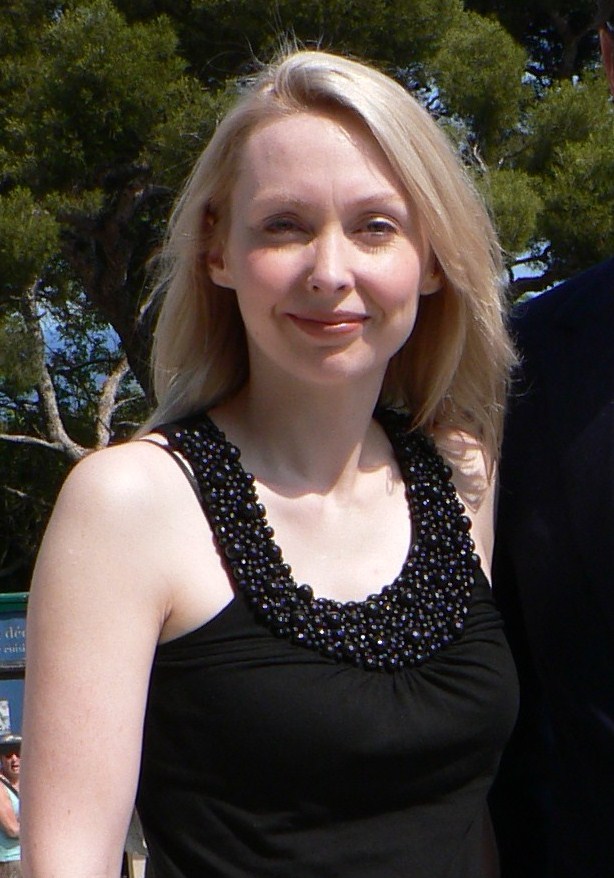
Yvonne Taylor is Senior Programmes Manager at PETA UK and overseas all aspects of the organisation's campaign work. A vegetarian from the age of 12, Taylor spent almost a year interning at PETA US and, in 2004, began working as a campaigner for PETA UK. A couple of highlights from that era include wearing nothing but strategically placed lettuce leaves in subzero weather as a PETA Lettuce Lady in Kazakhstan and being deported from China after taking part in an "I'd Rather Go Naked Than Wear Fur" protest.
People for the Ethical Treatment of Animals (PETA) Foundation
is a UK-based charity dedicated to establishing and protecting the
rights of all animals. PETA believes that, like humans, animals are
capable of suffering and have an interest in leading their own
lives. Therefore, they are not ours to use - for food, clothing,
experimentation, entertainment or any other reason. PETA and its
affiliates around the world educate policymakers and the public
about cruelty to animals and promote an understanding of the right
of all animals to be treated with respect.