
"My experience is that the fur companies are very focused on using the carcasses as much as they can. I think it is a hard question, but if the companies ensure that the animals breed for fur are used to the full extent, I think it is o.k."
HOW WILL EUROPEAN AGRICULTURE DEVELOP AND SUCCEED ON THE GLOBAL MARKET IN THE FUTURE?
I believe European agriculture will succeed in the future due to the high quality standards we have, and the high level of know-how within the agricultural sector. We might see that the focus change from strictly production to a more balanced focus with the sale of knowledge to markets where production is cheaper. In Denmark we have, for the last two decades, seen many farmers move to Eastern European states where they have started cheaper productions - it has been a great success. Not only do they produce farm products at lower costs but they also show Eastern European farmers how to produce products with high quality and low costs while securing the environment.
IS THERE A BALANCE BETWEEN THE POLLUTION CAUSED AND THE ADDED VALUE OF THE AGRICULTURAL PRODUCTION?
I think there is. Within the EU we always seek to ensure environmental issues while we at the same time secure high production. It is always difficult with the international competition, when some countries can produce with lower pollution standards, but the average European consumer is focused on buying products produced with the lowest possible environmental effect.
IN YOU VIEW, IS THERE AN ETHICAL DIFFERENCE BETWEEN BREEDING ANIMALS FOR THEIR FUR AND BREEDING ANIMALS FOR THEIR MEAT?
My experience is that the fur companies are very focused on using the carcasses as much as they can. I think it is a hard question, but if the companies ensure that the animals breed for fur are used to the full extent, I think it is o.k. But again, difficult question.
SINCE 2009, THE SALES VALUE OF EUROPEAN PRODUCED FUR HAS GROWN FROM 794 MILLION EUROS TO 2,114 MILLION EUROS - AN INCREASE OF 167%. WHAT DO YOU THINK CHARACTERIZES THIS DEVELOPMENT?
It is characterized by the need for very high quality standards. It is one of Denmark's biggest export products and the buyers come from all over the world. Especially fur is a product that can have very different qualities and in Denmark we have succeeded in making a quality brand that the buyers want.
SOME EUROPEAN COUNTRIES HAVE DECIDED TO BAN FUR FARMING. WHAT IS YOUR OPINION ON THIS?
I think it is fine that the member states decide for themselves on this ethical question. Yet, in Denmark we have achieved very high standards for the fur farms and world class products. There is reason to be proud of this ranking.
DO YOU FAVOUR EUROPEAN OR NATIONAL REGULATIONS WHEN IT COMES TO ANIMAL WELFARE?
I believe that animal welfare should be regulated both on a European and a national level. The EU should set some specific rules for the welfare of animals, but it is important that these rules do not exclude the chance for member states to create and enforce even more animal friendly regulations.
WHAT ARE YOUR EXPECTATIONS FOR THE NEW ANIMAL WELFARE FRAMEWORK LAW THAT THE COMMISSION IS CURRENTLY WORKING ON?
We do not know the specifics yet, but we have put pressure on the Commission to 1: Improve farm animal welfare. 2: Reduce the number of animals used in research and testing. 3: Protect cats and dogs. 4: Improve the welfare of wild animals and 5: Use EU trade agreements to boost animal welfare in partner third countries.
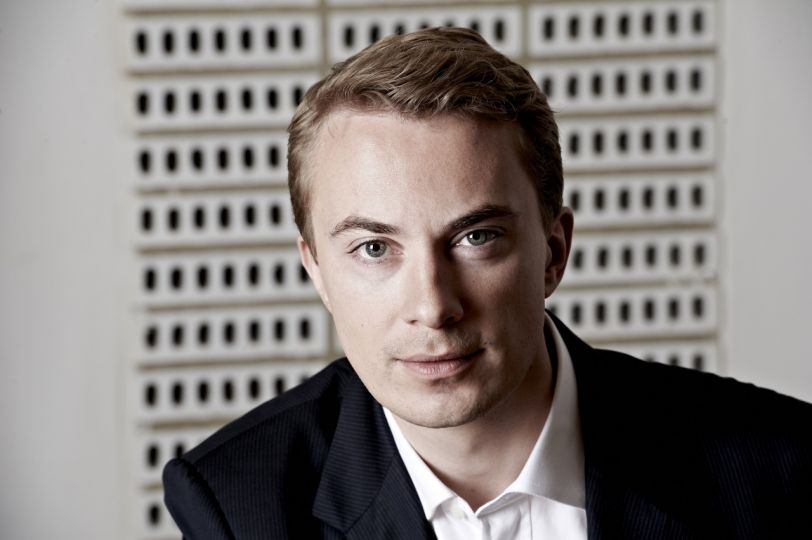
Morten Messerschmidt LL.M., is member of the European Parliament for the Danish People's Party. He won his seat in a landslide in the 2009 elections with 284,500 personal votes